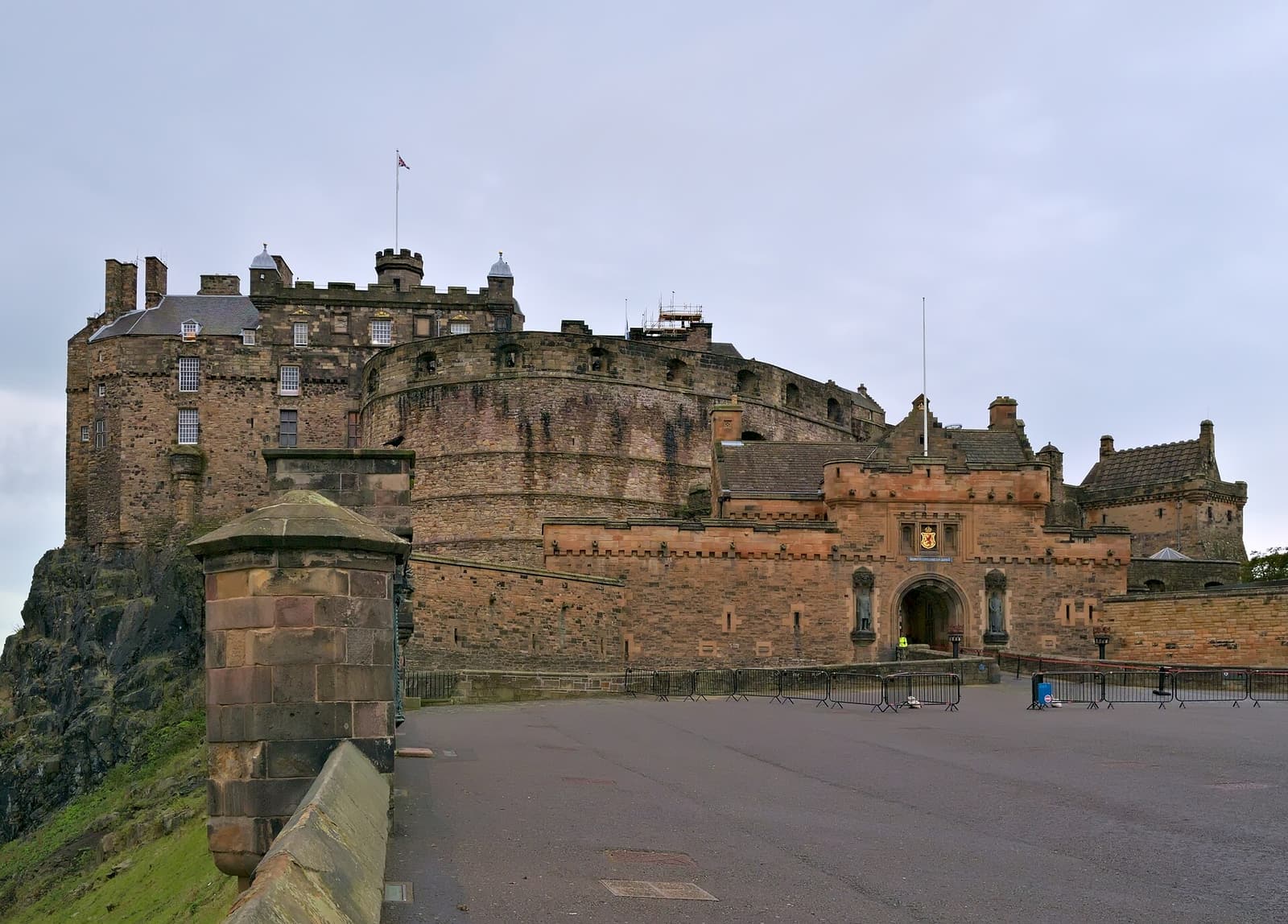
There is no bad time to visit Edinburgh, only different ones. The short answer: come in May, June or September for the best balance of weather, daylight and elbow room; come in August for the festivals, knowing what you are getting into; come in December for Christmas lights and Hogmanay.
The weather, honestly
Edinburgh’s climate is cool, changeable and much drier than its reputation: it lies on the sheltered east coast and gets far less rain than the west of Scotland. Summer afternoons typically reach the high teens Celsius, with the odd day in the mid-twenties; winter days hover a few degrees above freezing, and snow rarely lies for long in the centre. What defines the weather is the wind and the speed with which it changes. “Four seasons in one day” is a fair description.
Daylight matters as much as temperature. In late June it is light from before 4.30 am until after 10 pm; in late December the sun rises about 8.45 am and has set before 3.45 pm.
Month by month
| Months | Weather | Crowds & prices | What’s on |
|---|---|---|---|
| January–February | Cold, short days | Lowest of the year | Burns Night (25 Jan); Six Nations rugby |
| March–April | Cool, brightening | Low to moderate | Science Festival; Beltane (30 Apr) |
| May–June | Mild, very long days | Moderate | Gardens at their best; Royal Highland Show |
| July | Warmest | High | Jazz & Blues Festival |
| August | Warm, changeable | Very high — book early | Fringe, International Festival, Tattoo |
| September–October | Mild to cool, autumn colour | Moderate | Quieter sightseeing |
| November | Cold, dark early | Low | Christmas market opens mid-month |
| December | Cold, festive | High at Christmas & New Year | Christmas market; Hogmanay |
August: the festivals
For three and a half weeks in August, Edinburgh becomes the largest arts festival on earth. Several festivals run at once:
- The Edinburgh Festival Fringe — thousands of shows in hundreds of venues, from famous comedians to students in a cellar. Anyone can perform, which is the point. The Royal Mile fills with street performers.
- The Edinburgh International Festival — the original festival of 1947: opera, orchestras, theatre and dance from leading international companies.
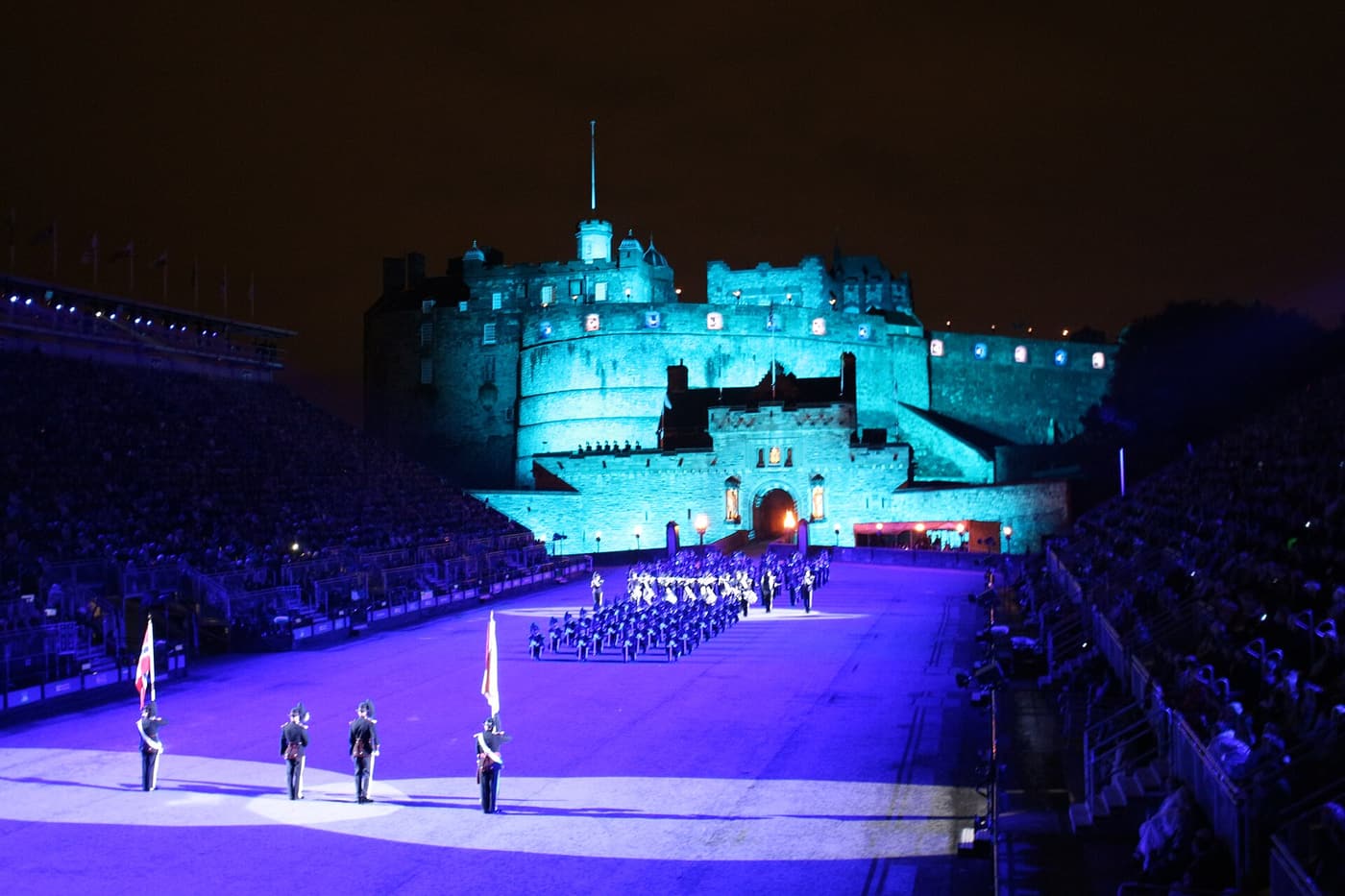
- The Royal Edinburgh Military Tattoo — massed pipes and drums, military bands and performers from around the world on the castle Esplanade each evening, ending with a lone piper on the ramparts. Tickets go on sale many months ahead and sell out.
- The Book Festival, the Art Festival and the Film Festival also take place in August.
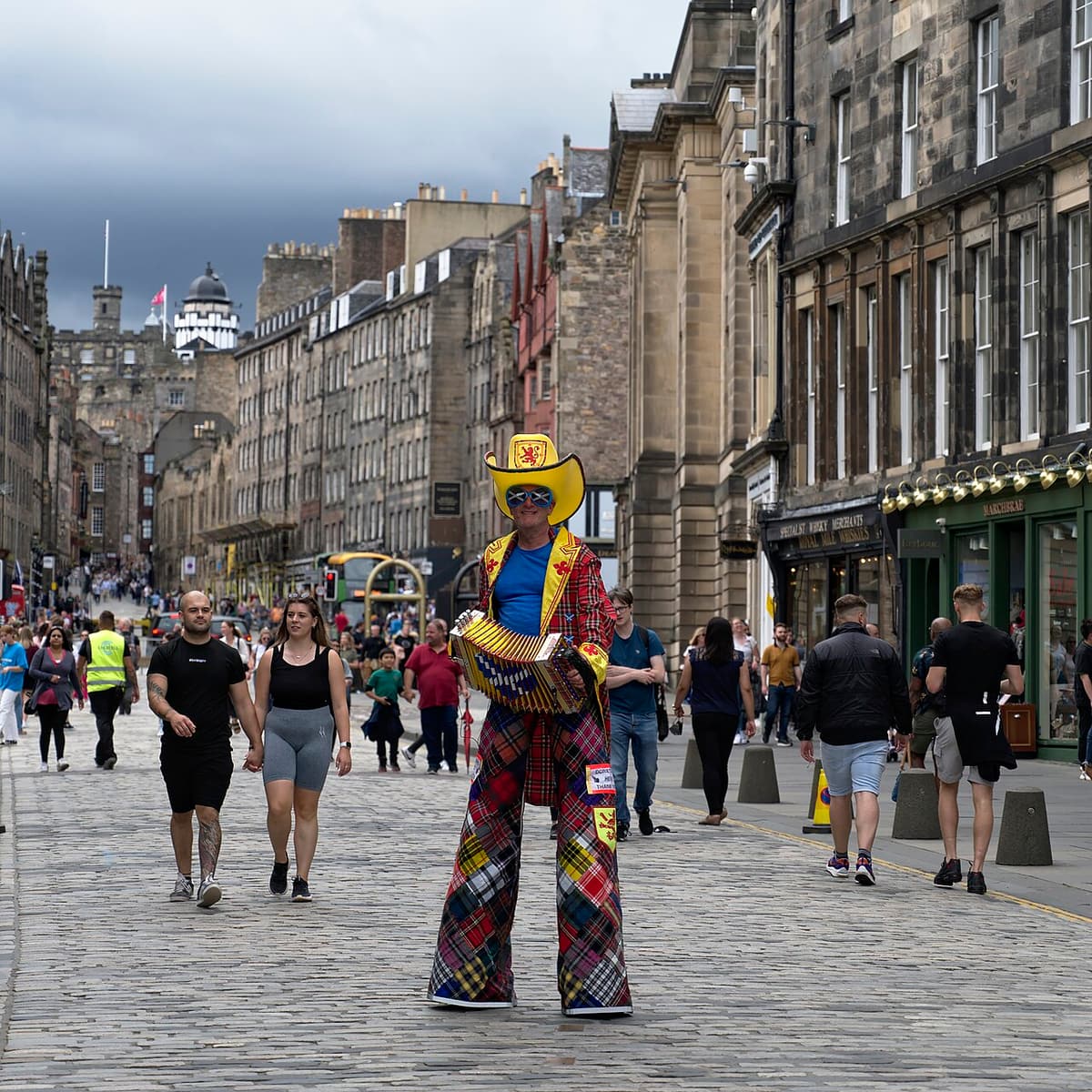
The city’s population is often said to double. Hotel prices rise steeply, restaurants are full and the Old Town is slow to walk through. If you are coming for the festivals, book accommodation as early as you can and reserve castle tickets well ahead. If you are not, choose another month.
Hogmanay
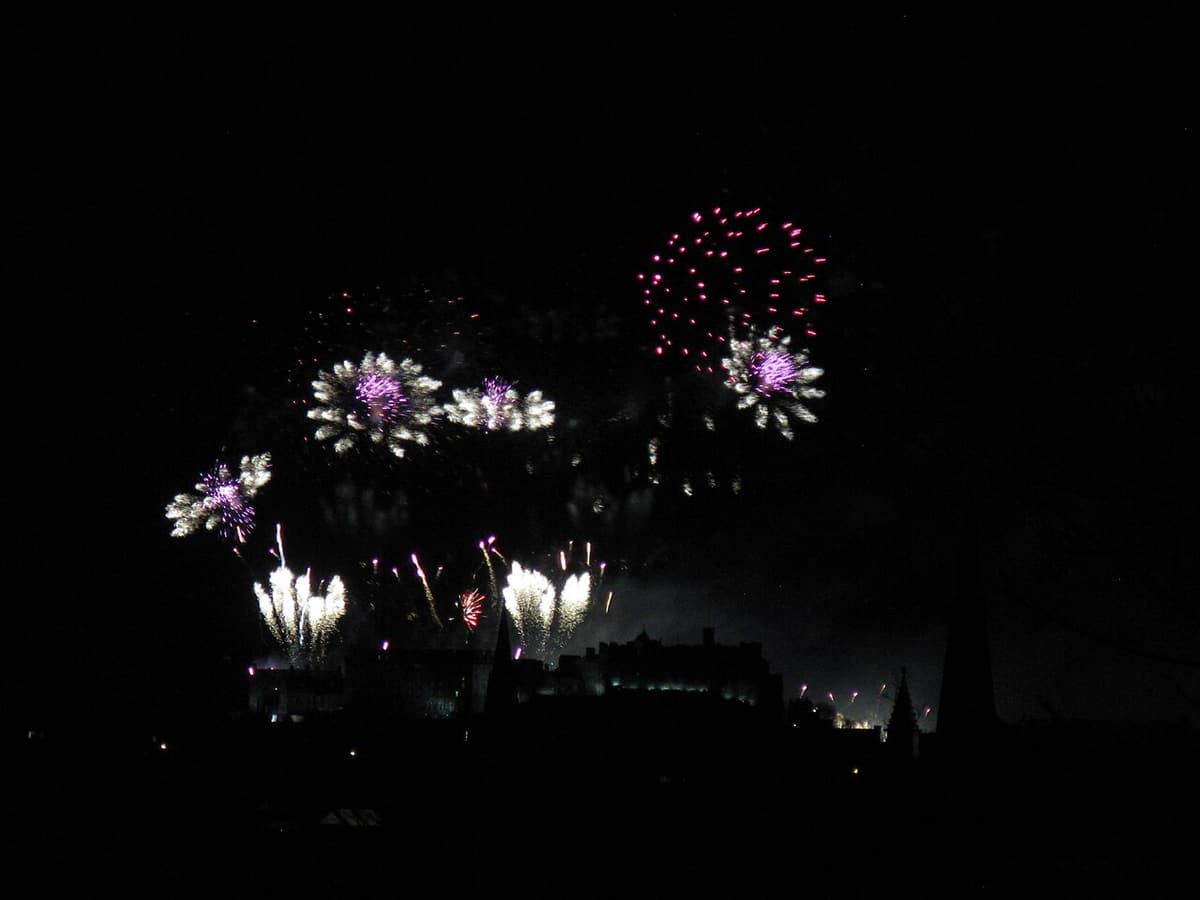
Scotland takes New Year more seriously than Christmas, and Edinburgh’s Hogmanay is among the biggest New Year celebrations in the world. The programme usually runs over several days around 31 December and has included a torchlight procession, a street party and concert below the castle, and fireworks from the ramparts at midnight. Events are ticketed and numbers are limited; the programme changes each year and outdoor events are occasionally cancelled in severe weather, so check the official details before you build a trip around it.
Christmas
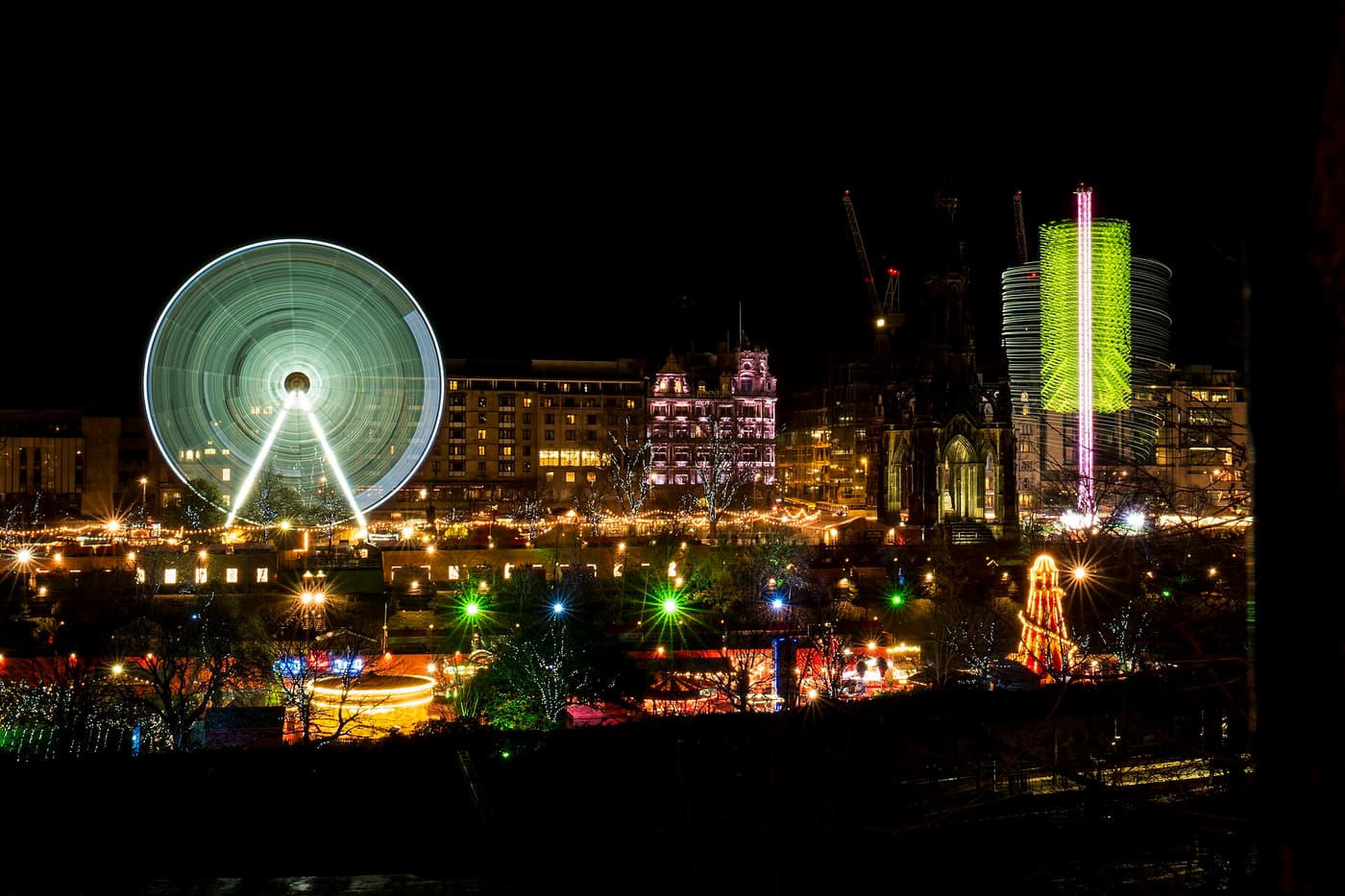
From mid-November until early January, Edinburgh’s Christmas fills East Princes Street Gardens and the streets around with a market, a big wheel, rides and an ice rink. It is crowded at weekends and at its most pleasant on a weekday afternoon as the lights come on. Note that most attractions close on 25 December, and many on the 26th and on 1 and 2 January.
Spring and early summer
April brings blossom to the Meadows and Princes Street Gardens. May and June are, for many locals, the best months: the gorse is yellow on Arthur’s Seat, the Botanic Garden is in flower, the evenings go on for ever and visitor numbers are still manageable. On 30 April the Beltane Fire Festival marks the start of summer on Calton Hill.
Autumn and winter
September keeps much of the summer’s light with fewer people. October brings autumn colour along the Water of Leith. From November to March (Christmas and New Year aside) Edinburgh is at its quietest and cheapest; the museums, pubs and ghost tours lose nothing, and the low winter sun on the Old Town is beautiful. Just plan outdoor sights for the middle of the day.