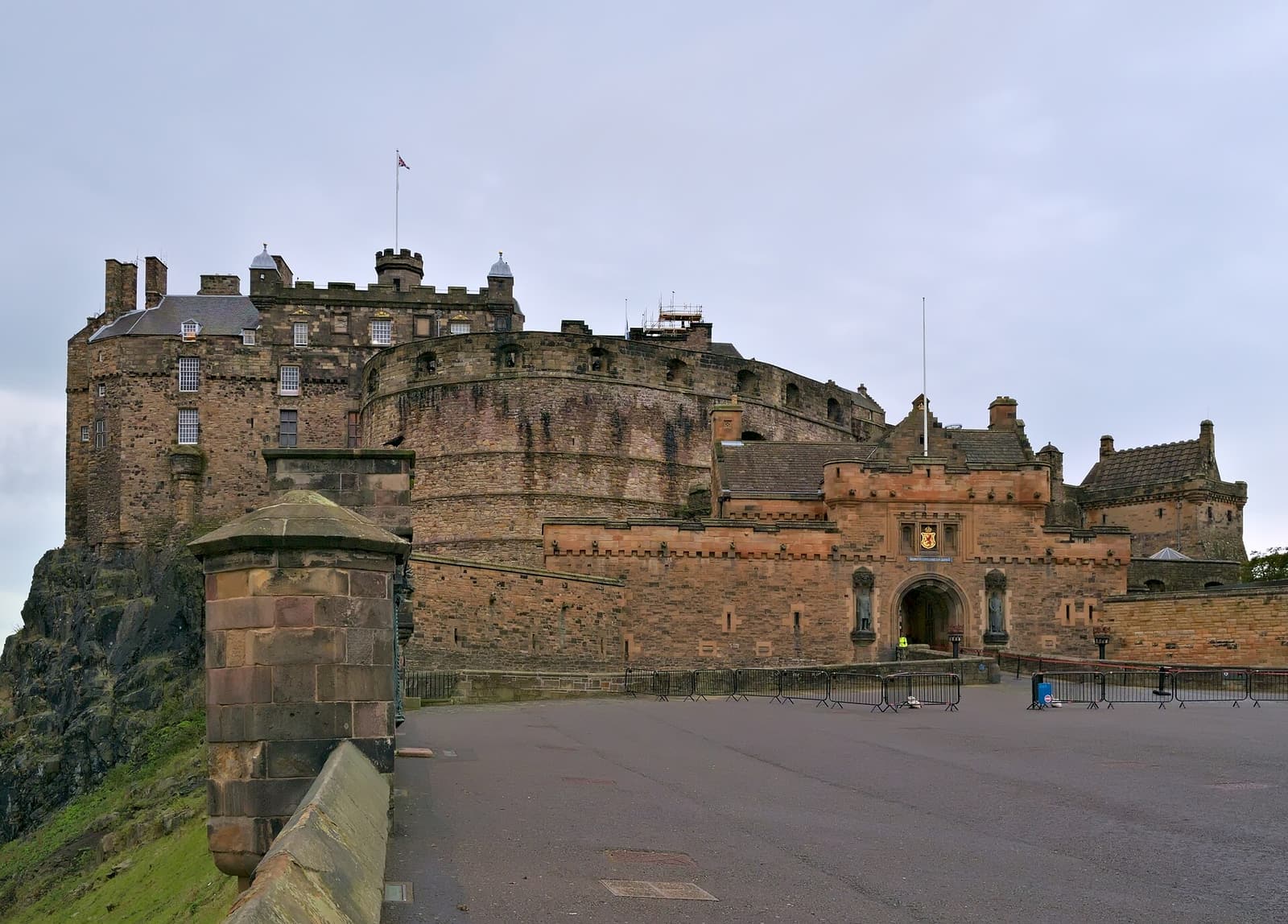
Edinburgh has been Scotland’s capital since the 15th century, and it looks the part. It is a city of about half a million people built on and between a series of hills, with a castle at one end of its main street, a palace at the other, and the sea visible from most high points.
Edinburgh at a glance
- The Old Town — the medieval city along the Royal Mile: castle, closes, St Giles’, Grassmarket, museums.
- The New Town — Georgian streets and squares north of Princes Street: shopping, galleries, restaurants.
- The West End and Haymarket — theatres, concert halls and good transport links.
- Stockbridge and Dean Village — village atmosphere along the Water of Leith.
- Leith — the old port, now the city’s best area for restaurants, with the Royal Yacht Britannia.
- The Southside — the university quarter, the Meadows park and Holyrood Park beyond.
How many days do you need?
One day is enough for the castle and the Royal Mile. Two days give you the essentials at a comfortable pace. Three days add the quieter, greener side of the city. With four or more, take a day trip.
One day in Edinburgh
Start at Edinburgh Castle at opening time with a pre-booked ticket. Walk down the Royal Mile, stopping at St Giles’ and ducking into a close or two; have lunch around the Grassmarket and Victoria Street. In the afternoon, continue down to Holyroodhouse or climb Calton Hill for the view. End with a ghost tour or a whisky bar.
Two days
Day one as above, but slower, with the Real Mary King’s Close. On day two, climb Arthur’s Seat in the morning, spend the early afternoon in the National Museum of Scotland and Greyfriars Kirkyard, then cross to the New Town for the National Gallery, shopping and dinner.
Three days
On the third day, leave the crowds: walk from the West End down to Dean Village and Stockbridge, continue to the Royal Botanic Garden, then take a bus or tram to Leith for the Royal Yacht Britannia and dinner on The Shore.
Four days or more
Take a day trip: the Highlands and Loch Ness, Stirling and Loch Lomond, St Andrews, or Rosslyn Chapel and the Borders.
The sights you should not miss
 Old Town
 Edinburgh Castle
The fortress on the rock
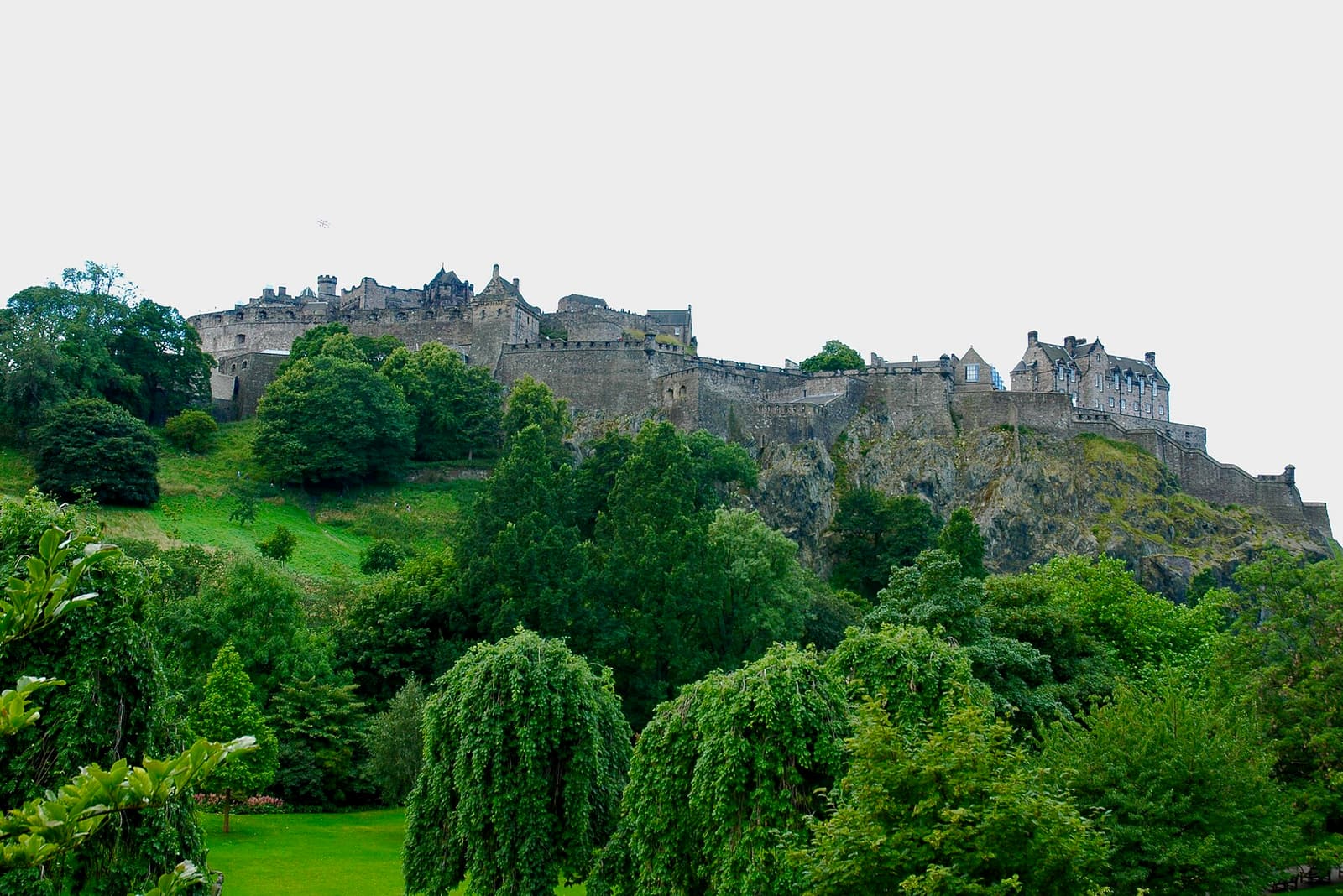
Scotland’s most visited paid attraction crowns an extinct volcano at the top of the Royal Mile. Inside the walls are the Honours of Scotland — Britain’s oldest crown jewels — the 12th-century St Margaret’s Chapel, the giant cannon Mons Meg, the Great Hall and the One o’Clock Gun. Tickets are timed and sell out in summer, so book ahead.
 Old Town
 The Royal Mile & St Giles’
The spine of the Old Town
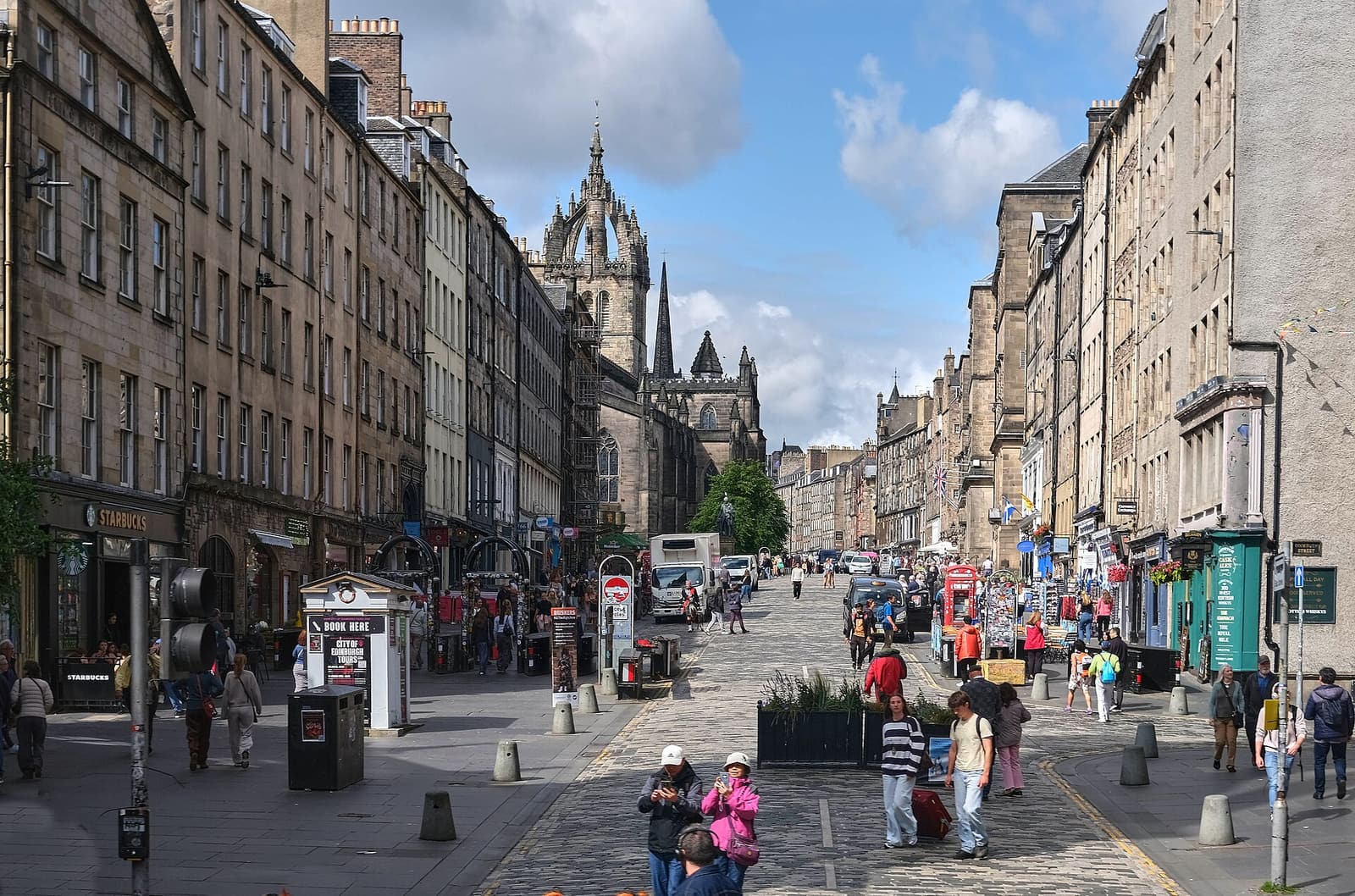
A single sloping street, a little over a mile long, joins the castle to the Palace of Holyroodhouse. Along it are St Giles’ Cathedral with its crown spire, tall tenements, small free museums, whisky shops and dozens of closes — the narrow alleys that drop away on either side and hold much of the Old Town’s character.
 Old Town
 Palace of Holyroodhouse & Scottish Parliament
The King’s house at the foot of the Mile
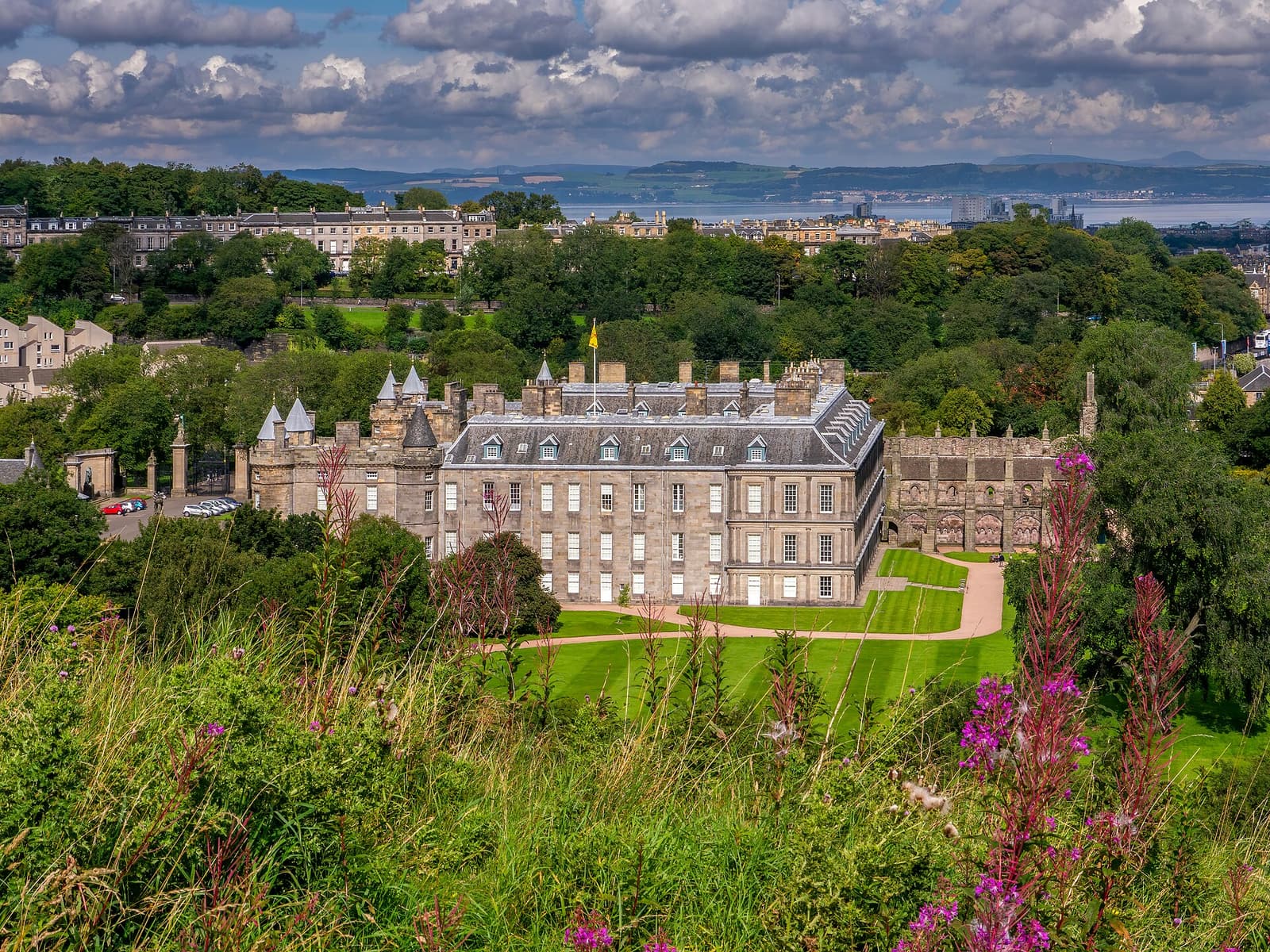
The monarch’s official residence in Scotland closes the lower end of the Royal Mile. Visit the State Apartments, the chambers of Mary, Queen of Scots and the roofless nave of Holyrood Abbey, founded in 1128. Across the road stands the boldly modern Scottish Parliament, opened in 2004 and free to enter.
 Old Town
 Grassmarket & Victoria Street
Curving colour below the castle
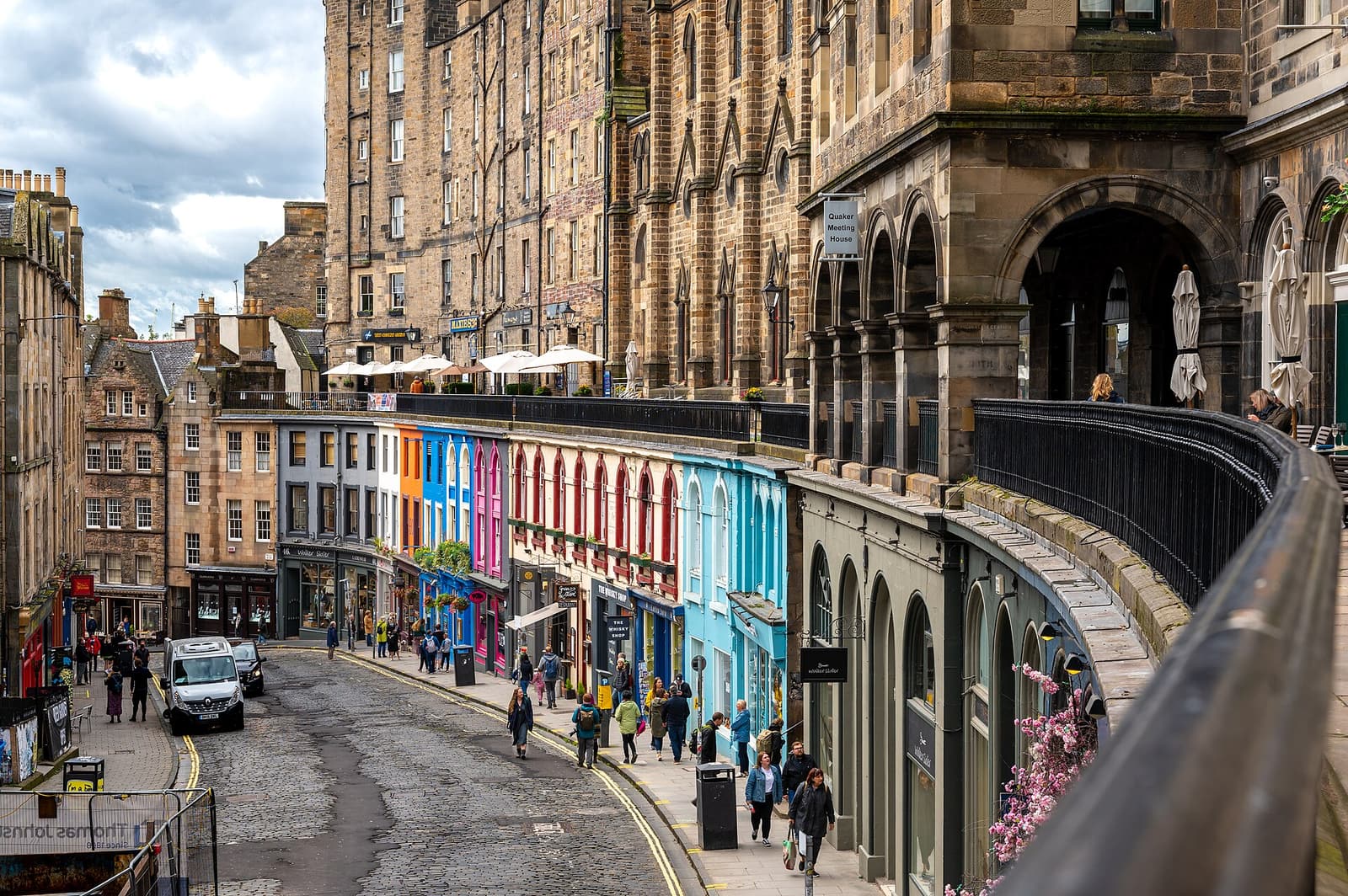
Victoria Street sweeps downhill in a curve of brightly painted shopfronts, with a terrace of restaurants above, into the Grassmarket — a broad old market square lined with pubs, directly beneath the castle rock. It is the Old Town at its most photogenic, and its most sociable in the evening.
Money and costs
The currency is the pound sterling (£). Scottish banks issue their own banknotes, which look different from English ones but are worth exactly the same and are accepted throughout the UK. Cards and contactless payment are taken almost everywhere, including buses, market stalls and most pubs; you can get through a visit with very little cash.
Edinburgh is not cheap, and accommodation is the main cost — especially in August and at New Year. Balance it with what is free: the national museums and galleries, the Botanic Garden, the hills and the churches. In restaurants, a tip of 10–15% is usual if service has not already been added to the bill; tipping in pubs is not expected.
Passes and combined tickets
A combined ticket sold in the city covers the castle, the Palace of Holyroodhouse, the Royal Yacht Britannia and the hop-on hop-off buses over 48 hours; it is worth pricing if you intend to do all three. Historic Environment Scotland’s Explorer Pass covers the castle and other state-owned sites such as Stirling Castle, and suits a longer tour of the country. Neither replaces the need to reserve a castle time slot.
Food and drink
Try haggis with neeps and tatties (turnip and potato) at least once — most pubs offer it, often with a vegetarian version. Cullen skink is a rich smoked haddock soup; Scottish salmon, langoustines and beef are excellent; a full Scottish breakfast adds black pudding and a potato scone. Sweet things include shortbread, tablet and cranachan. The national soft drink is the orange, unplaceable Irn-Bru.
For restaurants, look to Leith, Stockbridge, the West End and the streets around George Street; book ahead at weekends and all through August.
Whisky
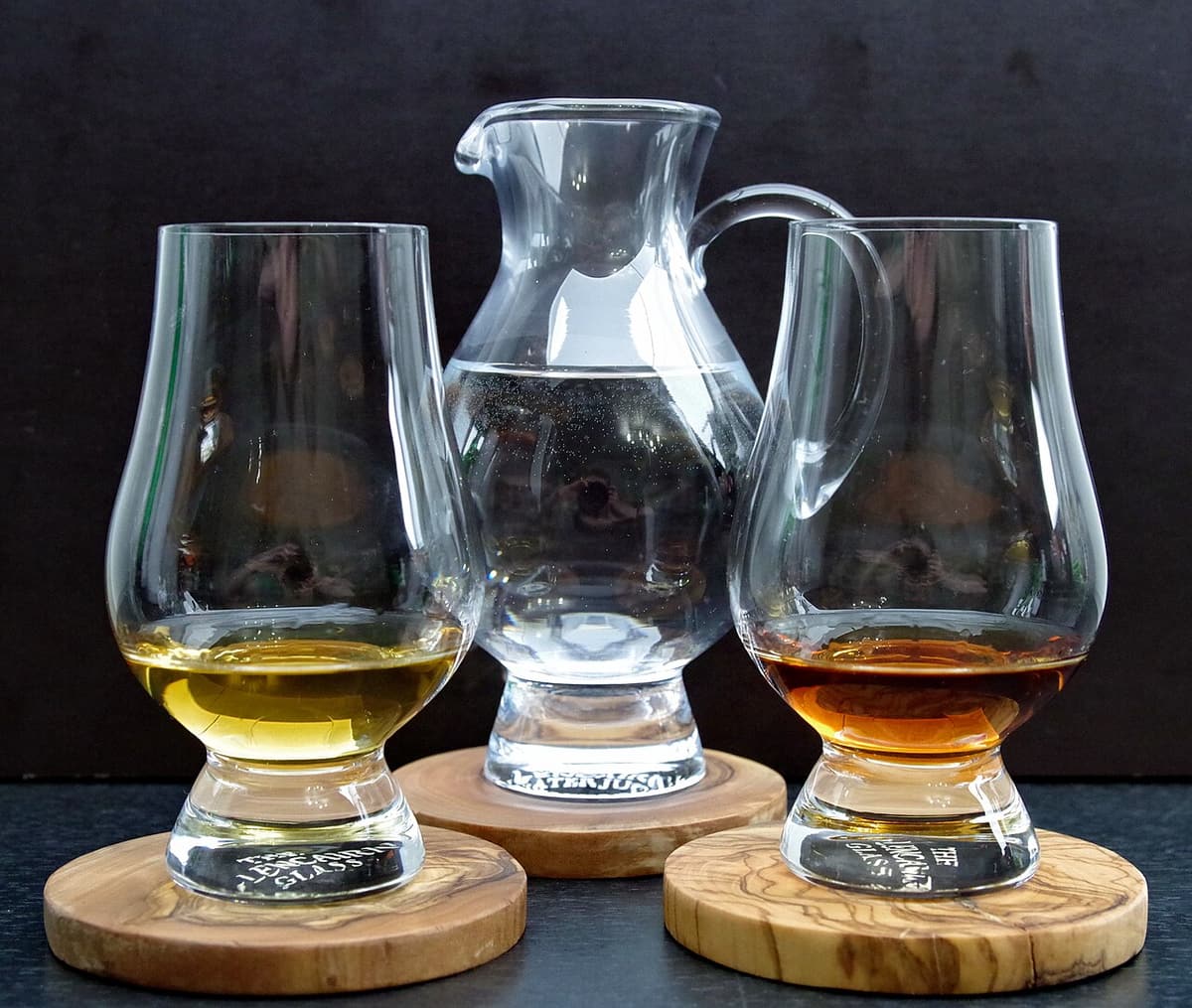
Edinburgh is a fine place to begin with Scotch. The Scotch Whisky Experience, beside the castle, explains how it is made and what distinguishes the regions; Johnnie Walker Princes Street is a newer, more theatrical experience with rooftop bars. Several working distilleries have opened in the city in recent years, in Leith and near Holyrood. In a whisky bar, tell the staff what you usually like to drink and let them choose; adding a few drops of water is normal, and nobody will mind how you take it.
With children
The National Museum is the first stop, free and full of things to touch. Camera Obscura & World of Illusions is a guaranteed success, and Dynamic Earth is good for a wet day. Edinburgh Zoo is known for its penguins. The Museum of Childhood on the Royal Mile is free. Princes Street Gardens has a playground below the castle, and most children can manage Calton Hill, and many, Arthur’s Seat.
When it rains
It will, at some point. Good indoor hours: the National Museum, the National Gallery and the Portrait Gallery (all free); the Surgeons’ Hall Museums, with their remarkable and occasionally grisly medical collections; the Real Mary King’s Close and the vaults, which are underground anyway; the Georgian House; a whisky tasting; or a long lunch.
Safety and health
Edinburgh is a safe city. Use ordinary care with bags in festival crowds and on busy nights around the Grassmarket and Cowgate. The real hazards are underfoot: wet cobbles, steep steps, and the rock on top of Arthur’s Seat. Tap water is excellent. Pharmacies can advise on minor ailments; for urgent medical advice call 111, and in an emergency call 999.
Practicalities
- Entry: many visitors who do not need a visa, including those from the EU and the USA, now need an Electronic Travel Authorisation (ETA) to visit the UK. Check the official UK government website well before you travel.
- Electricity: 230 V, three-pin type G plugs. Bring an adapter.
- Language: English, with a Scottish accent and some Scots words — aye (yes), wee (small), close (alley), kirk (church), loch (lake), dreich (grey and wet).
- Opening hours: most attractions open around 9.30 or 10 am and close at 5 or 6 pm, earlier in winter. Many shops open late on Thursdays.
- Sundays: almost everything is open, though with shorter hours.
What to pack
Layers, in every month. A waterproof jacket is more use than an umbrella in the wind. Bring comfortable shoes with grip for the cobbles and hills, something warm for the evening even in July, and sunglasses — the light after rain is spectacular. In winter add a hat and gloves; in summer, expect it to be light until after ten at night.